
The Hidden Costs of Delayed Fleet Truck Repair and How to Avoid Them
It’s easy to brush off a small rattle, a warning light that flickers on and off, or a truck that’s “still running fine for now.” When you’re managing a busy operation, delaying a repair can feel like the practical choice—keep the wheels turning today and deal with it later. The problem is, later is often when costs skyrocket. What starts as a minor issue can quietly grow into a breakdown that disrupts schedules, strains budgets, and puts your entire fleet at risk.
That’s why understanding the real impact of delayed fleet truck repair matters more than ever. This isn’t just about fixing trucks when they stop working; it’s about protecting your bottom line, your drivers, and your reputation. In this post, we’ll uncover the hidden costs many fleets don’t see coming—from lost productivity and compliance issues to shortened vehicle lifespan—and explain how a smarter, more proactive approach can help you avoid them altogether. By the end, you’ll have a clearer picture of how timely repairs and better planning can keep your fleet running smoothly and your business one step ahead.
Why Delaying Fleet Truck Repair Costs More Than You Think

Small Problems Have a Way of Growing Fast
One of the biggest reasons delayed repairs are so costly is how deceptively harmless they seem at first. A soft brake pedal, uneven tire wear, or a dashboard light that comes and goes doesn’t always feel urgent. But trucks don’t operate in isolation. Every component relies on another, and when one part starts to fail, it often puts extra strain on the rest of the system. What could have been a quick, affordable fix through routine fleet truck repair can quietly snowball into a major mechanical failure that takes a vehicle off the road completely.
Busy Schedules Make Delays Feel Justified
For many fleet managers, postponing repairs feels like a necessary trade-off. There are deliveries to meet, routes to cover, and drivers counting on their vehicles. Pulling a truck out of service—even briefly—can feel disruptive. This is where proactive fleet truck maintenance often gets pushed aside in favor of keeping operations moving. Unfortunately, this short-term thinking usually leads to longer, more expensive downtime later on, especially when emergency commercial fleet repair becomes the only option.
The Real Cost Isn’t Just the Repair Bill
When a truck breaks down unexpectedly, the expense goes far beyond parts and labor. Towing fees, missed deadlines, idle drivers, and rushed searches for a “fleet truck service near me” all add up quickly. In many cases, fleets end up paying far more than they would have if they had invested in timely, affordable fleet truck solutions from the start. Understanding this chain reaction is the first step toward breaking it—and protecting both your fleet and your bottom line.
The Financial Domino Effect of Delayed Fleet Truck Repair

How Minor Issues Turn Into Major Expenses
What makes delayed repairs so dangerous is how quietly the costs build up. A small oil leak, worn belt, or misaligned wheel might not stop a truck today, but over time, those minor issues force other components to work harder. Engines run hotter, fuel efficiency drops, and parts wear out faster than they should. By the time the problem can no longer be ignored, what could have been a simple fleet truck repair often turns into a much larger and more expensive job.
Emergency Repairs Are Almost Always More Expensive
When a truck breaks down unexpectedly, there’s rarely time to shop around or plan strategically. Fleets are forced into emergency service situations, paying premium rates for after-hours labor, expedited parts, and towing. Searching for a reliable fleet truck service near me during a breakdown often means choosing the fastest option, not the most cost-effective one. This reactive approach can quickly blow through maintenance budgets and create unpredictable expenses that are hard to plan for.
Rising Operating Costs You Might Not Notice Right Away
Delayed repairs don’t just show up on repair invoices—they quietly impact daily operating costs. Poorly maintained trucks burn more fuel, experience more wear on tires, and require more frequent servicing overall. Over time, these inefficiencies add up, making your fleet more expensive to operate even when everything seems to be “running fine.” Consistent fleet truck maintenance and planned commercial fleet repair help stabilize costs and prevent these financial leaks from draining your budget.
Why Affordable Solutions Start With Prevention
Many fleets delay repairs in an effort to save money, but true savings come from prevention. Investing in affordable fleet truck solutions doesn’t mean cutting corners—it means fixing problems early, scheduling service strategically, and avoiding the financial chain reaction that comes with waiting too long. When repairs are planned instead of rushed, fleets stay in control of both their vehicles and their expenses.
Downtime, Missed Deadlines, and Lost Revenue
When One Truck Stops, the Whole Schedule Feels It
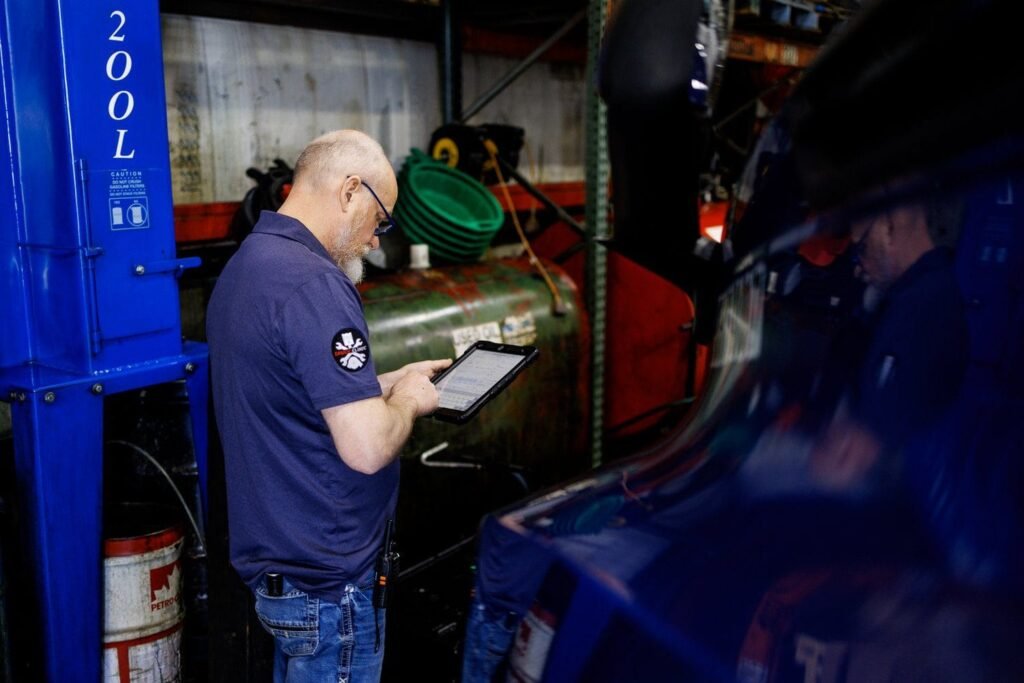
A single truck going down can throw off an entire day’s operation. Routes need to be reshuffled, drivers are left waiting, and deliveries start arriving late—or not at all. This is where delayed fleet truck repair really shows its impact. What seemed like a manageable issue suddenly becomes a scheduling nightmare, especially for fleets that rely on tight turnaround times. Even short periods of unplanned downtime can ripple across your operation and create stress for both your team and your customers.
Lost Productivity Adds Up Faster Than You Think
When trucks aren’t moving, money isn’t being made. Drivers still need to be paid, loads may need to be reassigned, and backup vehicles aren’t always available. Over time, these disruptions quietly eat into revenue and efficiency. Fleets that skip routine fleet truck maintenance often find themselves dealing with repeated interruptions that could have been avoided. Planned maintenance windows are far less disruptive than emergency breakdowns that happen in the middle of a busy route.
Last-Minute Repairs Lead to Costly Decisions
Breakdowns rarely happen at a convenient time. When a truck fails on the road, fleets are often forced to search for a fleet truck service near me under pressure, choosing availability over quality or cost. These rushed decisions can lead to higher repair bills and inconsistent service. In contrast, working with a trusted commercial fleet repair provider ahead of time allows fleets to schedule service strategically, control costs, and reduce unexpected downtime.
Protecting Revenue Through Proactive Planning
The most reliable way to prevent lost revenue is to stay ahead of repairs. Investing in consistent, affordable fleet truck care keeps vehicles on the road, schedules intact, and customers satisfied. When trucks are reliable, operations run smoother—and that reliability starts with timely repairs, not last-minute fixes.
Safety Risks and Compliance Penalties Fleets Overlook
When Delayed Repairs Put Drivers at Risk
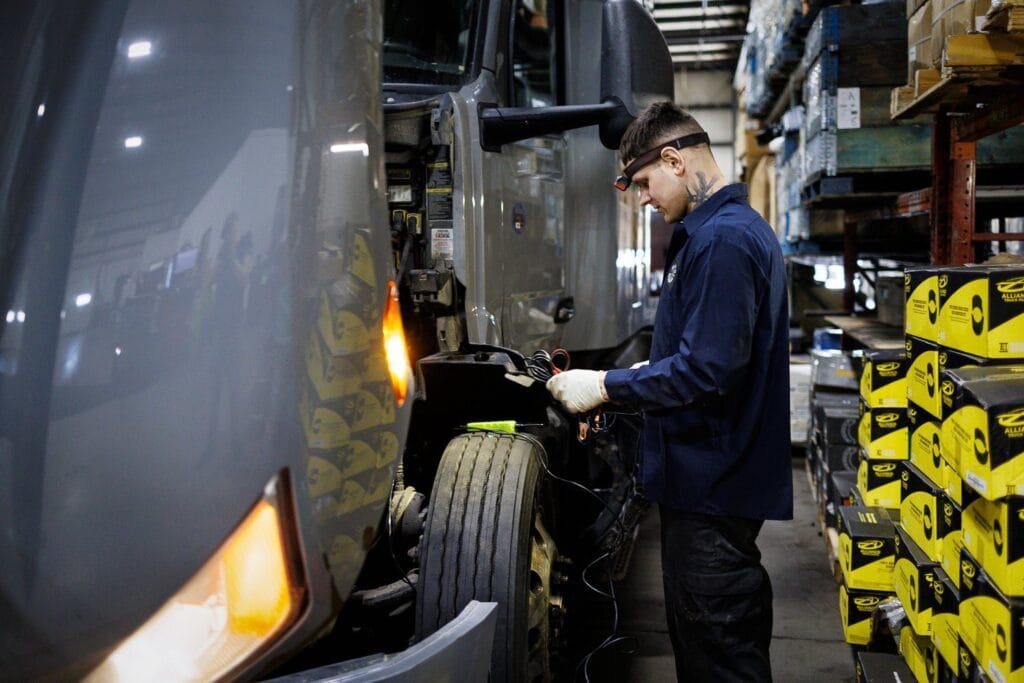
Safety is one of the most overlooked consequences of postponing repairs. Brakes that take a little longer to respond, tires that are wearing unevenly, or steering components that don’t feel quite right can all become serious hazards over time. Delaying fleet truck repair increases the chance of accidents, especially when vehicles are driven long distances or carry heavy loads. Even experienced drivers are limited by the condition of their equipment, and when trucks aren’t properly maintained, everyone on the road is put at risk.
Compliance Issues That Can Stop a Truck in Its Tracks
Beyond safety, neglected maintenance can quickly turn into compliance problems. Routine inspections are designed to catch mechanical issues before they become dangerous, but fleets that fall behind on fleet truck maintenance often find themselves failing inspections they didn’t expect to fail. Out-of-service orders, fines, and citations don’t just cost money—they create downtime that disrupts schedules and damages credibility. In many cases, these penalties could have been avoided with consistent commercial fleet repair and earlier attention to warning signs.
The Liability Fleets Don’t Always See Coming
When a poorly maintained truck is involved in an incident, the consequences extend far beyond the immediate repair. Liability claims, insurance increases, and legal exposure can all follow. Investigations often look closely at maintenance records, and gaps in service history can work against a fleet. Searching for a fleet truck service near me after an incident doesn’t undo the damage, but proactive care can help prevent it from happening in the first place.
Safer Fleets Start With Smarter Maintenance
Prioritizing timely, affordable fleet truck solutions isn’t just about staying compliant—it’s about protecting drivers, reducing risk, and building a culture of safety. Fleets that treat maintenance as a safety investment, not a checkbox, are far better positioned to avoid costly and dangerous outcomes.
How Delayed Repairs Shorten Vehicle Lifespan
Wear and Tear Doesn’t Pause When Repairs Do
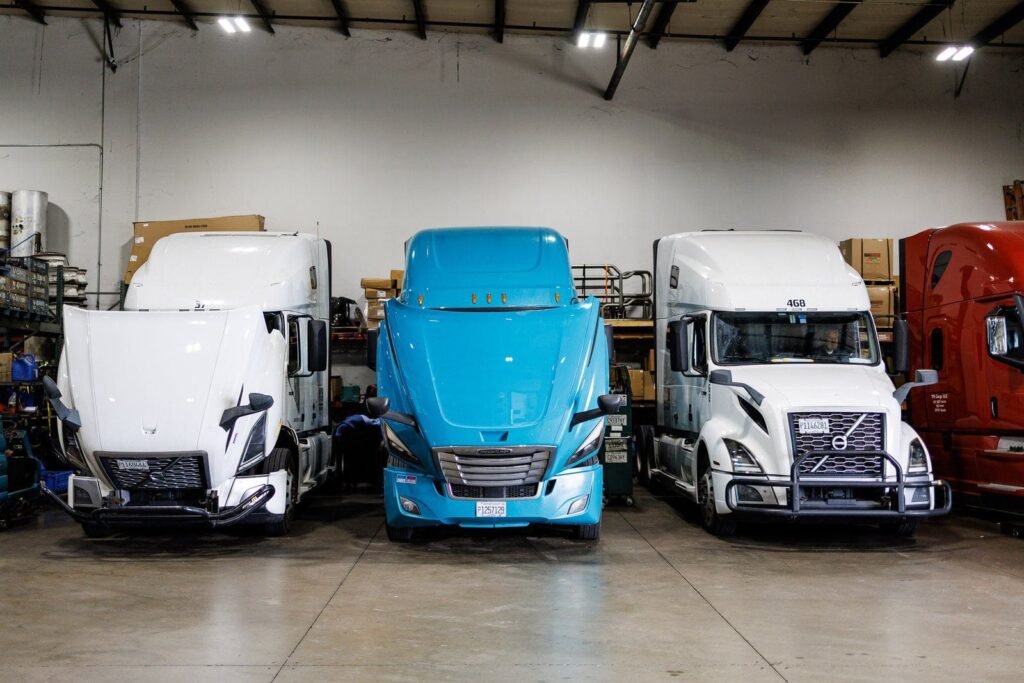
Every mile a truck drives with an unresolved issue adds stress to its most critical systems. An engine running hotter than it should, a transmission struggling to shift smoothly, or a cooling system that isn’t performing properly all accelerate wear. Delaying fleet truck repair allows these problems to compound, turning normal use into excessive strain. Over time, parts that should last for years begin to fail far sooner than expected.
Small Issues Create Bigger System Failures
Trucks are built as integrated systems, not isolated components. When one part starts to fail, it often forces other parts to work harder to compensate. A simple suspension issue can lead to uneven tire wear, which affects handling and fuel efficiency. Ignoring these early warning signs means fleet truck maintenance becomes reactive instead of preventative. By the time the problem is addressed, multiple systems may already be compromised, increasing repair costs and reducing overall vehicle reliability.
Reduced Resale Value and Higher Replacement Costs
Neglected maintenance doesn’t just impact day-to-day operations—it affects long-term asset value. Trucks with inconsistent service histories often have lower resale or trade-in values, even if they’re still operational. Buyers and dealers look closely at maintenance records, and gaps can signal hidden problems. Regular commercial fleet repair helps preserve both performance and value, delaying the need for costly replacements.
Extending Truck Life Through Consistent Care
Fleets that invest in timely repairs and affordable fleet truck solutions get more usable years out of every vehicle. Instead of cycling trucks out early due to preventable failures, they maintain dependable equipment that performs well over time. Partnering with a trusted provider or having a go-to fleet truck service near me makes it easier to stay on schedule and protect the lifespan of your fleet.
Also Read: Fleet Truck Repair Tips to Extend the Life of Your Vehicles
Proactive Repairs Protect Your Fleet and Your Bottom Line
Delaying repairs can feel like a harmless decision in the moment, but as we’ve seen, the true cost adds up fast. From rising repair bills and unexpected downtime to safety risks, compliance issues, and shortened vehicle lifespan, postponing service creates a chain reaction that affects far more than a single truck. What starts as a minor concern can quickly turn into lost revenue, frustrated drivers, and vehicles that wear out long before they should.
The good news is that these hidden costs are largely avoidable. Prioritizing timely fleet truck repair helps fleets stay in control of their schedules, expenses, and safety standards. Instead of reacting to breakdowns, proactive fleet truck maintenance allows you to catch problems early, plan service strategically, and keep trucks on the road where they belong. When repairs are handled before they escalate, fleets benefit from more predictable budgets, better vehicle performance, and longer-lasting equipment.
If your fleet has been operating in “fix it later” mode, now is the time to reassess. Take a closer look at your maintenance schedule, review your repair history, and explore proactive options that fit your operation. A smarter approach to repairs today can save you time, money, and headaches tomorrow—and keep your fleet running strong for years to come.