
Fleet Truck Repair Tips to Avoid Breakdowns
A sudden truck breakdown can throw your entire operation off course—missed deliveries, frustrated customers, and unexpected repair costs no one wants to deal with. Whether you manage a handful of vehicles or a large commercial fleet, keeping those trucks running smoothly is essential for productivity and profit. That’s where smart planning, preventative care, and the right fleet truck repair strategy come in.
In this guide, we’ll break down simple, practical tips that help you avoid those costly surprises on the road. You’ll learn what to watch for, how to stay ahead of common issues, and why choosing a reliable service partner can make all the difference. By the end, you’ll have a clearer picture of how to protect your vehicles, your drivers, and your bottom line—without overcomplicating fleet maintenance.
Why Preventive Fleet Maintenance Matters More Than Ever
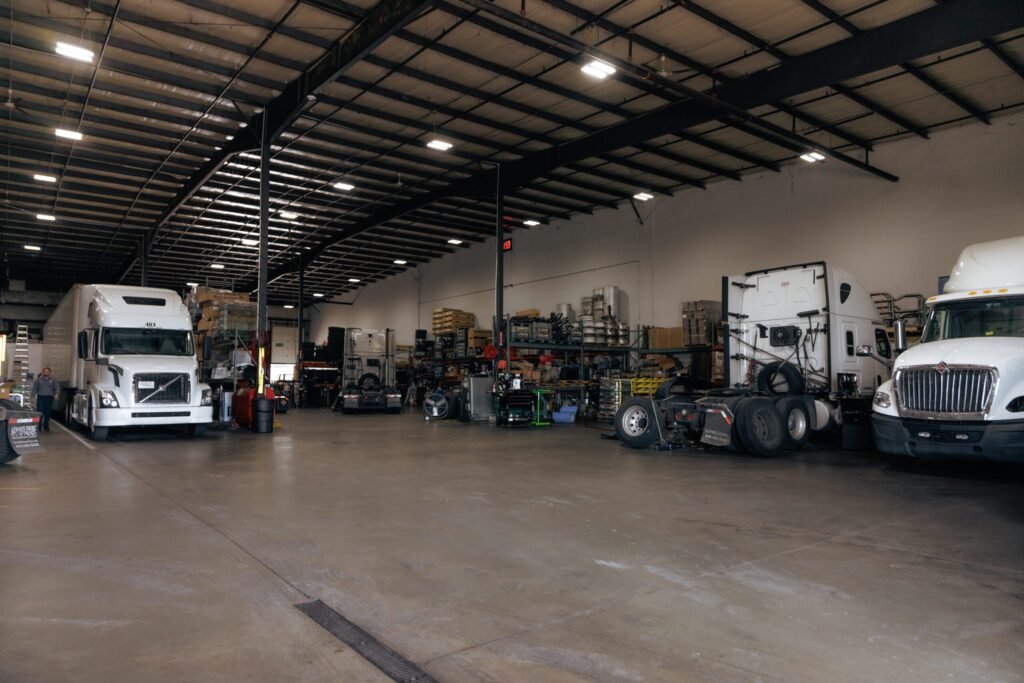
When you’re managing a fleet, every truck represents time, money, and responsibility. One unexpected breakdown can trigger a chain reaction—missed deliveries, extra labor costs, and frustrated customers. That’s why preventive maintenance isn’t just another task on your list; it’s one of the smartest ways to keep your operation steady and predictable.
The True Cost of Breakdowns
Most people think of repair bills when they imagine a breakdown, but the real impact goes far beyond that. A truck out of service means disrupted schedules, rushed reroutes, and added strain on your remaining vehicles. Staying ahead of potential problems through routine checkups and timely fleet truck repair is almost always cheaper—and far less stressful—than dealing with emergencies on the road.
Preventive vs. Reactive Maintenance
There’s a big difference between fixing issues as they appear and stopping those issues before they start. Reactive maintenance usually means you’re already losing time and money. In contrast, a proactive fleet truck maintenance plan helps your trucks perform better, last longer, and stay safer. It’s a strategy that keeps your fleet dependable instead of unpredictable.
The Power of Having Local Support You Can Rely On
Even with great preventive habits, you still need a trustworthy partner for deeper inspections and more advanced repairs. Having access to a reliable fleet truck service near me gives you fast, convenient support whenever you need it. That local connection helps minimize downtime, streamline routine appointments, and keep your fleet moving without major disruptions.
Daily, Weekly, and Monthly Inspections to Reduce Surprises
One of the easiest ways to avoid major repairs is simply staying consistent with inspections. Even small checkups can reveal early warning signs long before they turn into expensive problems. Creating a routine that involves drivers, managers, and your trusted fleet truck repair partner can make a massive difference in keeping your vehicles dependable.
Daily Driver Walkthroughs
Drivers are your first line of defense. A quick daily walkthrough doesn’t take long, but it can prevent a whole lot of headaches. Simple steps—like checking tire pressure, looking for visible leaks, testing lights and signals, and listening for unusual engine sounds—go a long way. Encourage drivers to report anything that feels “off” instead of waiting for it to get worse. These small habits help catch issues early and keep your fleet running safely.
Weekly Checks That Make a Huge Difference
Weekly inspections dive a little deeper. This is the time to look at fluid levels, inspect hoses and belts, check windshield wipers, and ensure the interior safety gear is stocked and functioning. These checks help you spot wear and tear before it interrupts your schedule. Keeping up with these tasks supports your overall fleet truck maintenance plan and keeps your trucks performing at their best.
Monthly or Mileage-Based Inspections
Some components need more thorough, scheduled attention. Monthly or mileage-based inspections can include suspension checks, alignment adjustments, drivetrain evaluations, and more detailed electrical testing. These aren’t things drivers can handle alone, which is where your fleet truck repair or commercial fleet repair partner becomes essential. Bringing your trucks in before problems escalate ensures minor issues stay minor and your vehicles stay road-ready longer.
By staying consistent with these inspections, you build a routine that protects your fleet, reduces unexpected downtime, and helps everyone—from drivers to mechanics—stay aligned and proactive.
The Most Common Causes of Fleet Truck Breakdowns (And How to Avoid Them)

Even well-maintained fleets run into trouble occasionally, but most breakdowns aren’t random—they’re caused by the same handful of issues again and again. The good news? When you understand what typically goes wrong, you can put simple habits in place to prevent those problems from happening in the first place. Here are the most common culprits and what you can do to stay ahead of them.
Tire Problems & Blowouts
Tire issues are one of the top reasons trucks end up on the side of the road. Underinflated tires, uneven wear, and neglected rotations can lead to blowouts that shut down a route fast. Regular pressure checks, scheduled rotations, and choosing the right tire rating for the load make a huge difference. Pair that with support from your fleet truck repair team, and you’ll reduce one of the biggest risks your drivers face.
Battery & Electrical Failures
Batteries work hard—especially in extreme temperatures. Heat can shorten battery life, and cold weather makes it harder to start up. Combine that with aging wiring or loose connections, and electrical problems become a real headache. Routine testing and cleaning terminals help keep things stable. And when something feels inconsistent—like dimming lights or slow starts—it’s worth getting a quick inspection from a commercial fleet repair specialist before the issue escalates.
Engine Overheating
Cooling system issues are another common cause of breakdowns. Low coolant, cracked hoses, clogged radiators, or a worn-out water pump can cause temperatures to spike fast. Keeping up with fluid levels, flushing the system when needed, and inspecting for leaks are simple steps that prevent major engine trouble. A good fleet truck maintenance plan ensures these checks happen on schedule instead of being overlooked.
Brake System Failures
Your brakes work harder than any other system—especially on heavy commercial vehicles. Over time, components like pads, rotors, and brake lines naturally wear down. If drivers report grinding sounds, soft brakes, or longer stopping distances, don’t ignore it. Addressing brake issues early not only protects your trucks but also keeps your drivers and everyone around them safe.
Fuel System Trouble
Clogged filters, contaminated fuel, or injector problems can pull a truck out of service instantly. These issues often develop slowly, which makes them easy to miss until performance drops. Regular filter changes and fuel system inspections are simple ways to prevent this. When performance feels sluggish or the truck starts idling roughly, it’s smart to have your fleet truck repair provider run a quick diagnostic to catch the issue early.
By understanding these common causes, you’re better equipped to prevent them. A little awareness—and a strong partnership with a reliable repair team—goes a long way in keeping your fleet on the road and your business running smoothly.
How to Build a Smart Fleet Maintenance Program

A reliable fleet doesn’t just “happen”—it’s the result of a thoughtful, structured maintenance program that keeps every truck in top shape. Building a system that works for your operation doesn’t have to be complicated. With the right strategy and support, you can stay ahead of wear and tear, reduce downtime, and avoid those unexpected repair bills that throw schedules off course.
Create a Mileage-Based Service Schedule
Every truck has its own routine, but mileage-based maintenance is one of the most effective ways to stay organized. Instead of waiting for problems to appear, create service intervals for things like oil changes, filter replacements, inspections, and brake checks. This keeps your fleet truck maintenance consistent and predictable. If your vehicles operate under heavy loads or tough conditions, adjust the intervals to match their workload—being proactive always pays off.
Use a Digital Fleet Management System
Technology makes maintenance easier than ever. Digital tools can track mileage, alert you when it’s time for service, log driver reports, and store repair history in one place. This takes the guesswork out of scheduling and helps you spot patterns across your fleet. These systems also make it easier to share information with your fleet truck repair provider, ensuring everyone stays on the same page.
Standardize Driver Reporting Procedures
Drivers spend the most time with your vehicles, so their feedback is incredibly valuable. Create a simple, standardized process for reporting issues—whether that’s through an app, a form, or daily logs. Encourage them to include notes, photos, and anything that might help your team understand the problem. The more accurate the reports, the faster you can address small issues before they turn into costly repairs.
Partnering With a Dependable Repair Center
Even with great processes in place, your fleet still needs professional support. Working with a trusted fleet truck service near me ensures your trucks get expert attention when they need it. Look for a repair center with experience in commercial fleet repair, proper certifications, and the right diagnostic tools. A good partner doesn’t just fix problems—they help you prevent them.
A strong maintenance program keeps your trucks running efficiently, reduces downtime, and gives your business a competitive edge. With the right structure and support, you’ll keep every route predictable and every truck ready for the road.
Also Read: Fleet Truck Repair Tips to Extend the Life of Your Vehicles
How Seasonal Changes Affect Your Fleet—and How to Prepare

No matter how well you maintain your trucks, the seasons will always put extra stress on your fleet. Temperature swings, weather conditions, and road environments all affect performance in different ways. Understanding how each season impacts your vehicles helps you fine-tune your fleet truck maintenance plan so your trucks stay reliable year-round.
Hot Weather Challenges
Summer heat can be tough on trucks. High temperatures strain cooling systems, cause fluids to thin out faster, and increase tire pressure, which raises the risk of blowouts. AC systems also work overtime, placing more load on the engine. Staying ahead of these issues means regularly checking coolant levels, inspecting hoses for cracks, monitoring tire pressure, and making sure filters stay clean. Leaning on your fleet truck repair team during the hottest months ensures you catch early signs of overheating before they lead to downtime.
Winter Hazards
Cold weather creates its own set of challenges. Batteries lose strength in low temperatures, making starts more difficult. Fluids thicken, which can slow down engine performance, and icy roads put extra stress on braking systems. Salt and moisture also increase the risk of corrosion. To prepare, schedule battery checks, verify your antifreeze protection levels, inspect brakes more frequently, and wash trucks regularly to reduce salt buildup. A reliable commercial fleet repair provider can help fine-tune your winterization routine so your fleet stays safe and efficient.
Year-Round Maintenance Adjustments
Every season brings different demands, but your maintenance plan shouldn’t start from scratch each time. Build a flexible system that adjusts with the weather—whether that means adding extra inspections during extreme temperatures or scheduling more frequent fluid checks when the environment changes. Partnering with a dependable fleet truck service near me helps you stay ready for whatever the seasons bring. They’ll guide you on what to prioritize and when, ensuring your fleet stays in top condition no matter the time of year.
By staying aware of seasonal stressors and adjusting your maintenance approach, you protect your trucks from avoidable problems and keep your fleet running smoothly every month of the year.
Keep Your Fleet Running Strong
Keeping your trucks on the road doesn’t have to feel overwhelming. With a combination of preventive care, consistent inspections, and awareness of common problem areas, you can dramatically reduce the risk of unexpected breakdowns. From daily walkthroughs to mileage-based checkups, seasonal prep, and partnering with a trusted fleet truck repair provider, each step plays a valuable role in keeping your fleet safe, efficient, and reliable.
By putting these strategies into action, you protect your drivers, your schedule, and your bottom line. If you’re ready to take the next step, consider reaching out to a dependable fleet truck service near me to help fine-tune your maintenance plan and ensure your trucks are always road-ready. With the right approach and support, your fleet can stay strong, steady, and fully prepared for whatever the road brings.