
Fleet Truck Repair: Common Issues and How to Prevent Them
Keeping a fleet on the road is no small task. Whether you’re managing delivery trucks, service vehicles, or company rigs, you already know that even one unexpected breakdown can throw off an entire day’s schedule. That’s why understanding fleet truck repair—and how to stay ahead of common issues—is one of the smartest ways to protect your business, your drivers, and your bottom line.
The good news? Most major problems are completely preventable with the right approach. From brake failures to engine trouble, many costly repairs start as small warning signs that are easy to miss when things get busy. In this post, we’ll break down the issues fleet owners face most often and show you simple, proactive steps to avoid them. You’ll learn how to save money, reduce downtime, and keep your trucks running smoothly, whether you’re relying on in-house maintenance or searching for a dependable fleet truck service near you.
By the end, you’ll have a clearer roadmap for keeping your operation running safely, efficiently, and without unnecessary surprises.
The Most Common Fleet Truck Repair Issues (and Why They Happen)
Even with great maintenance habits, fleet vehicles work hard—really hard. Long hours, heavy loads, changing weather, and constant wear can take a toll on any truck. That’s why understanding the most common problems is a huge advantage. When you know what to look for, it’s easier to spot early warning signs and get ahead of issues before they lead to downtime or costly repairs.
Below are the problems fleet managers run into most often—and what usually causes them.
Brake System Failures
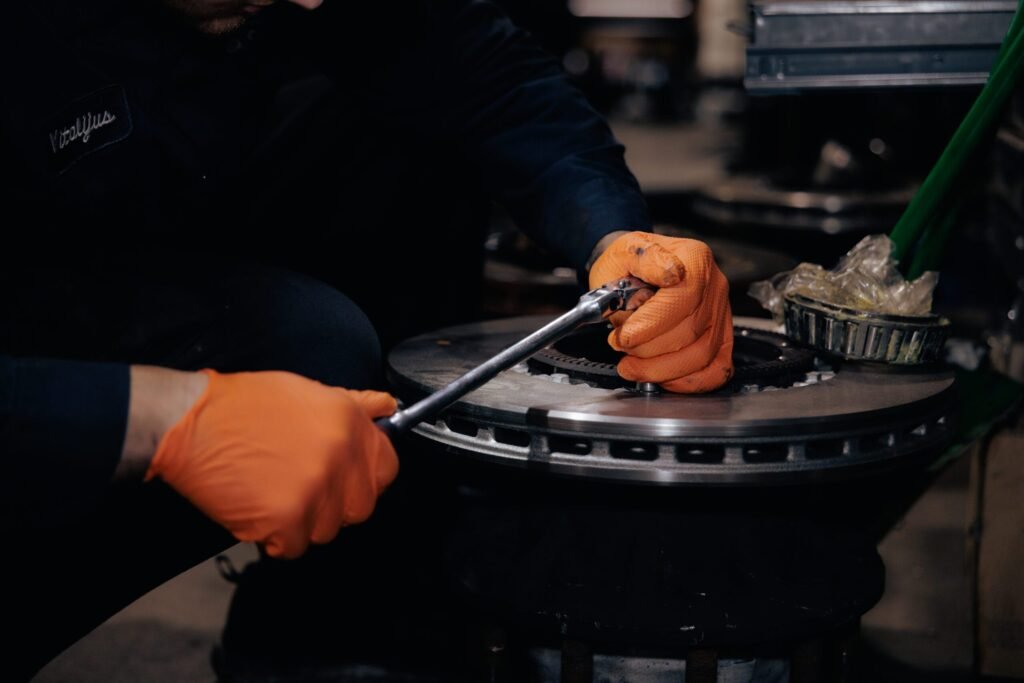
Brake issues are one of the top reasons trucks end up in the shop for fleet truck repair. It makes sense when you think about the workload your vehicles handle every day. Heavy cargo, stop-and-go driving, and long routes put a lot of strain on the braking system.
Common signs include grinding noises, soft or shaky brake pedals, or trucks needing a longer distance to come to a full stop. When these red flags show up, getting the vehicle inspected right away is crucial. It’s also why many operators search for a reliable fleet truck service near me—when brakes are involved, you don’t want to wait.
Tire Wear, Blowouts, and Alignment Problems
Tires naturally deteriorate over time, but underinflation, skipped rotations, and uneven loads accelerate the process. Routine tire checks performed through commercial fleet repair services help identify uneven tread, misalignment, and damage before they turn into dangerous blowouts.
Misalignment can also sneak up on you. If a truck starts pulling to one side or feels shaky on the highway, alignment might be the culprit. Poor alignment doesn’t just cause safety concerns—it also hurts fuel efficiency and increases long-term repair costs.
Engine Overheating and Performance Issues
Few things bring a truck to a halt faster than an overheating engine. Coolant leaks, low oil, clogged radiators, or faulty sensors are usually to blame, and ignoring the signs can lead to serious damage.
Early symptoms like reduced power, strange noises, or rising temperature gauges should never be brushed off. Staying proactive with your fleet truck maintenance schedule is the best way to avoid sudden engine trouble.
Electrical System Failures
Today’s trucks rely heavily on electrical systems—everything from lights to sensors to onboard electronics. So when something goes wrong, it can cause a ripple effect of problems.
Dead batteries, alternator issues, wiring damage, or faulty connections are common culprits. While some electrical issues seem minor at first, they can quickly turn into safety hazards or stalled vehicles if left unchecked.
Transmission Problems Under Heavy Use
Transmission trouble is another expensive issue that often starts small. Slipping gears, delayed shifting, and unusual noises can all be early signs that something’s off.
Because transmissions take so much strain—especially in heavy-duty fleet work—keeping an eye on fluid quality and temperature is essential. When anything feels “off,” it’s best to get the truck checked before it turns into a major repair bill.
Suspension and Steering Wear
Suspension components absorb so much of the road’s impact that wear and tear is inevitable. Rough terrain, heavy loads, and high mileage all accelerate deterioration.
Drivers might notice vibrations, uneven tire wear, or difficulty steering. These issues can affect safety and comfort—and if ignored, can lead to much bigger repairs. Regular checks through a trusted affordable fleet repair provider help stop these problems from progressing.
How to Prevent the Most Common Fleet Truck Repair Issues

Now that we’ve covered the problems fleet managers see most often, let’s shift to the good news: most of these headaches are completely avoidable. Preventive care is truly the backbone of reliable fleet operations. When trucks get the attention they need at the right time, everything runs smoother—your routes, your schedule, and even your repair budget.
Here’s how to stay ahead of issues and keep your vehicles road-ready year-round.
Create a Strict Preventive Maintenance Schedule
If there’s one step that makes the biggest impact, it’s sticking to a solid maintenance schedule. Think of it as your fleet’s roadmap to long-term health. Scheduled oil changes, brake checks, tire rotations, and fluid inspections all play a massive role in preventing breakdowns.
A clear schedule also helps you avoid surprise costs. Instead of dealing with emergency fixes, your team—or your trusted fleet truck repair shop—can catch problems early, long before they turn into pricey repairs. That’s also where keeping things consistent helps make affordable fleet repair much more realistic.
Implement Daily Driver Inspections and Reporting
Drivers are your first line of defense. They’re the ones behind the wheel every day, which means they’re most likely to notice something before it becomes a real problem.
Encourage them to do quick walkarounds before and after each shift—checking for things like low tires, flickering lights, unusual noises, or warning indicators on the dashboard. When combined with regular fleet truck maintenance, these small daily habits can drastically reduce unexpected breakdowns.
Plus, if something does come up, it’s much easier (and faster) to get help when you already know a dependable fleet truck service near me that you can count on.
Prioritize Fluid Checks and Timely Replacements
Fluids are the lifeblood of any truck. Oil keeps the engine running smoothly. Coolant prevents overheating. Transmission fluid supports shifting. Brake fluid ensures safe stops. When any of these drop too low—or get too dirty—your truck is at risk.
Regular fluid checks help you avoid major damage. Something as simple as low coolant can quickly lead to overheating, which then spirals into engine trouble. Staying on top of fluid quality and levels keeps costly repairs at bay and makes overall fleet management much more predictable.
Invest in Quality Parts and Reliable Service Providers
It might be tempting to cut costs by choosing cheaper parts, but in fleet operations, that usually leads to bigger expenses later. Quality parts last longer, perform better, and reduce the risk of sudden failures.
The same goes for choosing the right repair partner. Using high-quality components helps reduce breakdowns and extend the life of critical systems. With commercial fleet repair specialists, fleets benefit from expert recommendations on durable, reliable parts that can withstand heavy-duty use.
Use Technology: Telematics, Diagnostic Tools, and Repair Tracking
Technology has completely changed the way fleets operate. With telematics systems, sensors, and digital dashboards, it’s easier than ever to track truck performance in real time.
These tools can alert you to engine issues, low fluids, tire pressure loss, and more—often before a driver even notices. They also make it simpler to schedule fleet truck maintenance, log service history, and coordinate repairs.
By combining smart technology with hands-on care, you create a maintenance system that prevents problems instead of reacting to them.
With the right habits and a proactive mindset, you can prevent most of the common issues that lead to downtime and costly repairs. In the next section, we’ll talk about how to choose the right service partner—because having the right help on standby makes all the difference.
Also Read: Fleet Truck Repair Tips to Extend the Life of Your Vehicles