
Chicago Commercial Fleet Repair: Keep Your Business Moving
Operating a fleet in Chicago means dealing with busy highways, heavy loads, and unpredictable Midwest weather — all of which make commercial fleet repair a top priority for local businesses. Every truck that rolls out of your yard represents time, revenue, and customer trust. When one breaks down, the ripple effect can slow your entire operation. That’s why commercial fleet repair isn’t just about fixing trucks — it’s about protecting your business from downtime that costs you contracts, fuel, and productivity.
Whether you run a handful of delivery trucks or manage dozens of rigs, keeping them in top shape requires more than reactive repairs. This guide explains what commercial fleet repair involves, the most common problems Chicago fleets face, and how to choose the right provider to keep your vehicles running efficiently year-round.
What Commercial Fleet Repair Really Means
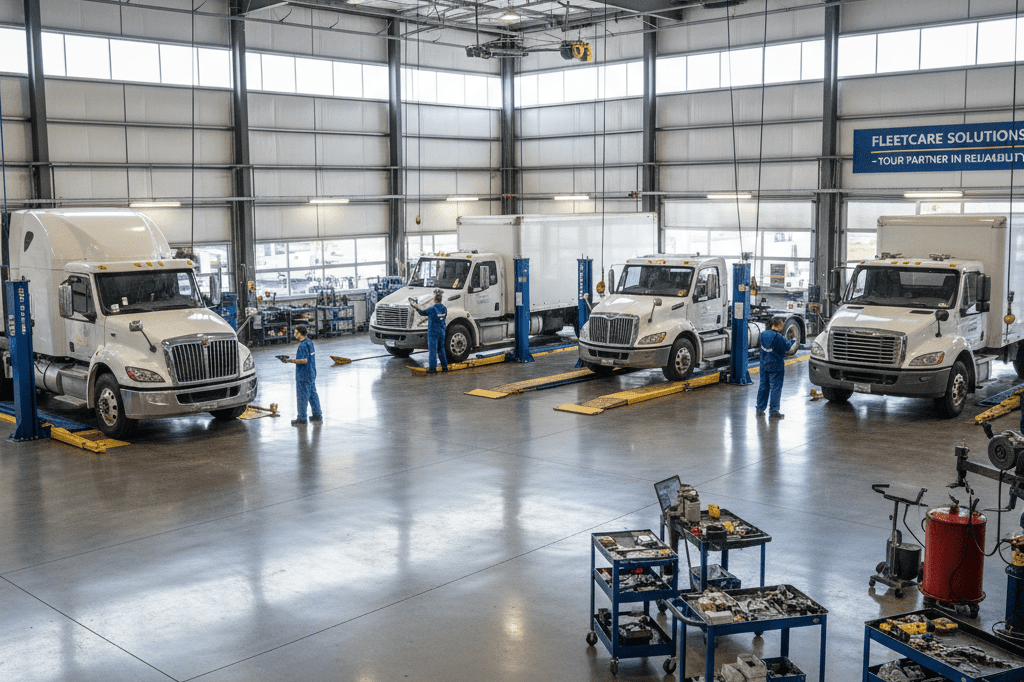
Commercial fleet repair covers the full spectrum of care that keeps multiple vehicles road-ready — from preventive maintenance to diagnostics and complete rebuilds. Unlike a single-vehicle repair, fleet repair is structured and strategic. It accounts for mileage intervals, parts tracking, and ongoing condition monitoring across every truck you operate.
A professional repair program typically includes:
- Mechanical and electrical services — engines, transmissions, braking systems, lighting, and wiring.
- Emissions and compliance testing — keeping your fleet aligned with EPA and CARB standards.
- Diagnostics and performance checks — using advanced tools to catch issues before breakdowns happen.
- Scheduled maintenance plans — tracking service intervals to reduce downtime and extend vehicle life.
The main goal is consistency. When all your vehicles receive routine inspections and standardized service, you avoid uneven wear, last-minute repairs, and lost delivery time. That’s why businesses that depend on uptime treat commercial fleet repair as an essential part of operations rather than a reaction to problems.
Why Downtime Hurts Fleets the Most
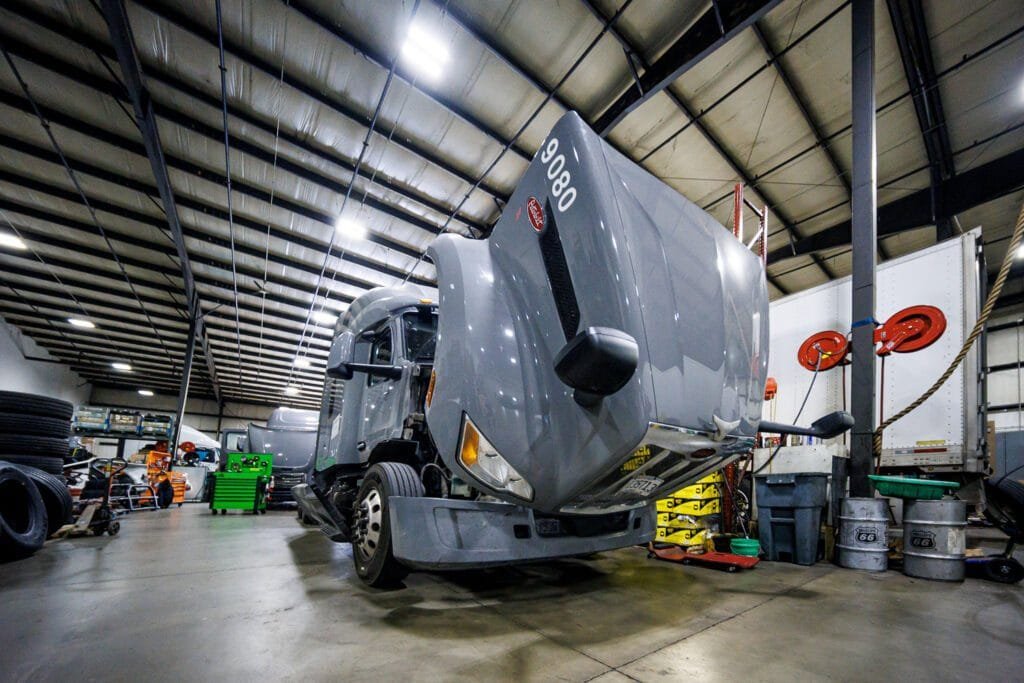
Every hour a truck is off the road affects delivery schedules, customer satisfaction, and overall profit margins. For Chicago operators, where tight deadlines and long commutes are normal, downtime quickly adds up.
The financial cost can include:
- Lost loads and penalty fees
- Emergency towing and repair costs
- Idle driver time
- Delayed invoices and customer dissatisfaction
Regular fleet truck maintenance minimizes these risks by addressing wear and tear before it becomes a breakdown. Oil degradation, tire imbalance, brake pad wear, and coolant leaks are all small issues that can snowball into major repairs if ignored. A simple preventive schedule ensures your trucks stay compliant and operational, even during peak seasons.
Downtime also affects reputation. Shippers and logistics partners value reliability, and one missed deadline can raise doubts about your company’s consistency. Investing in consistent maintenance and fast-response repairs protects both your brand and your bottom line.
Common Repair and Maintenance Issues in Chicago Fleets
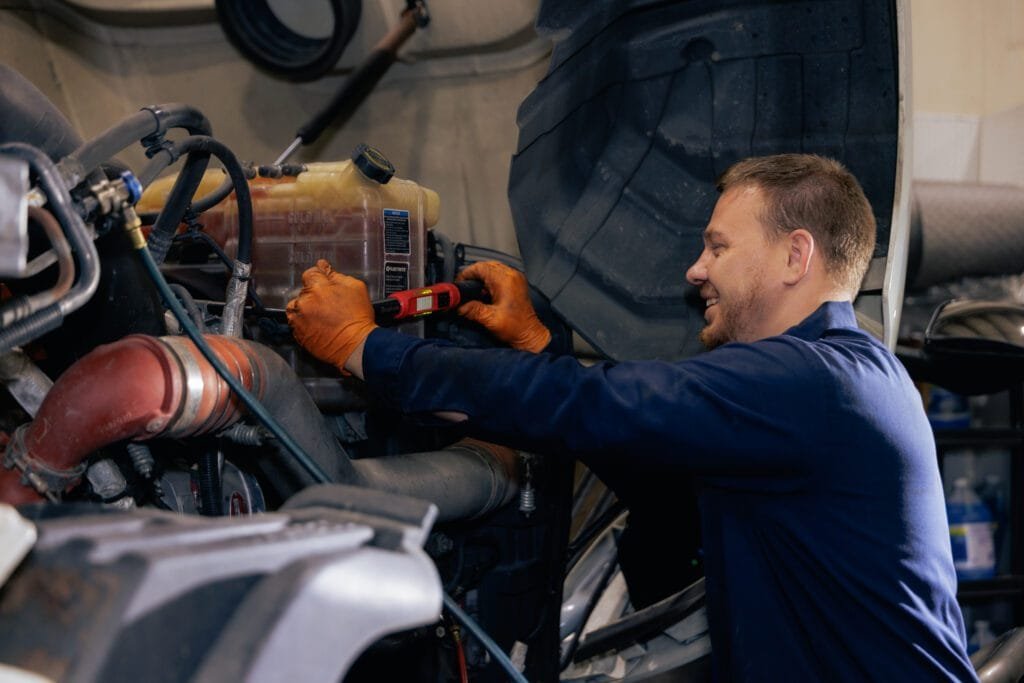
Chicago’s climate and road conditions are tough on commercial vehicles. From icy winters to stop-and-go traffic downtown, local fleets face constant stress that accelerates wear and shortens service intervals. Add in long hours of operation and heavy hauling demands, and even small maintenance lapses can quickly lead to major performance issues. Staying aware of these recurring problems helps operators schedule service before they turn into downtime.
Here are the most frequent issues found during fleet truck repair and inspection:
Brake and Suspension Wear
Constant city traffic leads to heavy braking, which accelerates pad and rotor wear. Suspension components also take a beating from potholes, uneven pavement, and frequent load shifts. Over time, neglected brake and suspension issues affect stopping distance, steering stability, and driver comfort — all of which impact safety and compliance during inspections.
Engine Overheating and Oil Problems
High engine loads, temperature swings, and long idling times contribute to overheating. Dirty oil or clogged filters increase friction and reduce efficiency, especially during hot summer deliveries or extended idle periods in winter. Routine oil changes, coolant checks, and proper fluid management prevent these heat-related failures and help engines maintain consistent power output.
Electrical and Sensor Malfunctions
Modern trucks rely on complex electronic systems to manage everything from fuel injection to emissions control. Faulty sensors, corroded connectors, or damaged wiring can trigger false alerts, reduce fuel efficiency, or even cause sudden performance drops. Advanced diagnostics during regular servicing help identify weak components early and prevent breakdowns tied to electrical faults.
Corrosion and Rust
Winter road salt is a constant enemy for Chicago fleets. It corrodes frames, brake lines, fuel tanks, and electrical connectors, leading to expensive repairs if ignored. Regular undercarriage washing, rust prevention coatings, and scheduled inspections after winter storms help preserve vehicle integrity and extend service life across the entire fleet.
Tire and Alignment Issues
Uneven loads and poor road conditions cause rapid tire wear and alignment drift. Misalignment increases rolling resistance, reduces fuel economy, and accelerates tread damage. Routine tire rotations, balance checks, and alignment adjustments ensure stable handling, better mileage, and safer performance in all driving conditions
Catching these problems early saves money and prevents roadside emergencies. That’s why many businesses combine maintenance tracking with professional commercial fleet repair for a proactive, rather than reactive, approach — an approach rooted in consistent routine maintenance planning that keeps fleets reliable season after season. Working with a trusted commercial fleet repair shop ensures these issues are identified early before they become road emergencies.
Preventative Maintenance: The Key to Longevity

Preventative maintenance is the backbone of any successful fleet operation. Instead of waiting for parts to fail, it focuses on scheduled care — oil changes, filter replacements, inspections, and diagnostic scans — based on mileage and vehicle type.
A solid program includes:
- Oil and fluid analysis: Regular checks detect contamination or overheating.
- Battery testing: Prevents unexpected power failures in winter.
- Brake inspections: Ensures safety and DOT compliance.
- Cooling system service: Keeps engines within safe operating temperatures.
- Tire management: Rotation, balancing, and pressure tracking reduce blowouts.
Scheduling fleet truck maintenance at regular intervals helps identify gradual wear that drivers might overlook. Many fleet operators use maintenance management systems to track each vehicle’s history, making it easier to plan services without disrupting delivery schedules.
How often should fleets be serviced? It depends on mileage, load weight, and driving conditions, but most Chicago businesses benefit from quarterly inspections — with additional checks before and after winter.
Also Read: CARB Testing in Chicago: Why Regular Compliance Protects Your Fleet
The Benefits of Partnering With a Professional Repair Provider
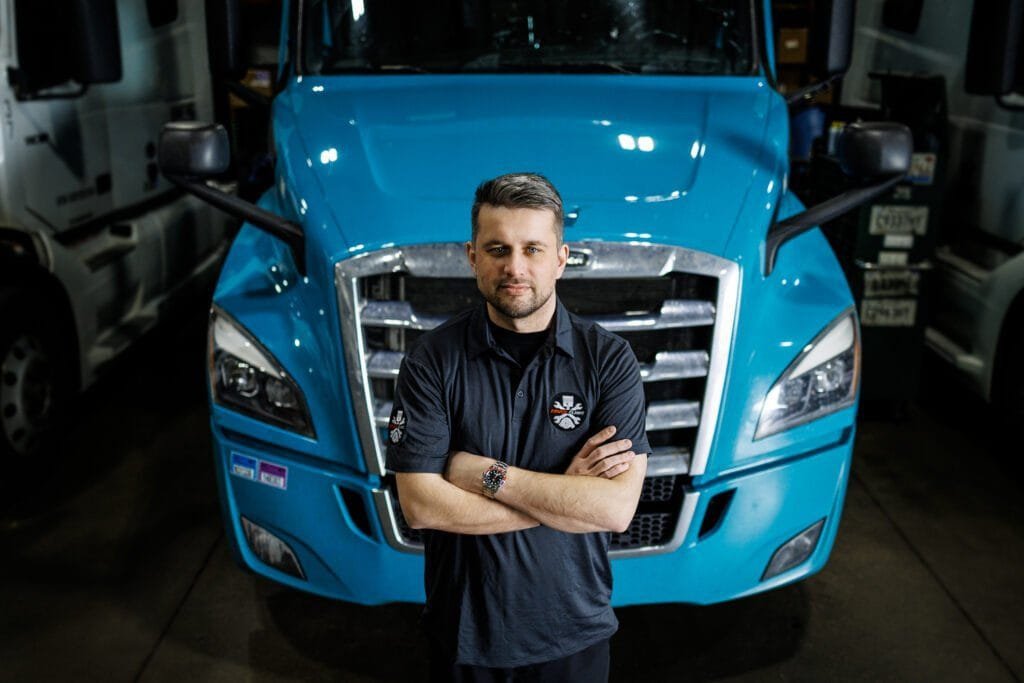
Outsourcing to a dedicated repair shop isn’t just convenient — it’s smart business. A trusted commercial fleet repair partner gives you consistent quality, predictable costs, and confidence that your vehicles are in expert hands.
For most Chicago operators, the difference between running smoothly and struggling with downtime often comes down to who handles the repairs. A good partner doesn’t just fix problems — they prevent them, track them, and make sure your trucks stay compliant with every regulation that keeps your business on the road.
Certified Technicians
Fleet repair requires more than general mechanical skill. Specialists who work exclusively on commercial vehicles understand heavy-duty systems, diesel engines, and manufacturer-specific tolerances. Their certifications ensure that every truck meets safety and emissions standards before it leaves the bay. This technical precision not only improves reliability but also helps prevent costly rework caused by incomplete or inaccurate repairs.
Advanced Diagnostics
Modern fleets depend on digital systems that control everything from emissions to engine timing. Professional shops use advanced diagnostic scanners to read fault codes and identify problems faster than manual inspection alone.
Quick identification means quicker turnaround and fewer repeat visits — critical for fleet operators trying to keep every truck in rotation. The data gathered from these diagnostics can also help predict future issues, turning maintenance into a proactive process instead of a reaction to breakdowns.
Parts Availability
Delays often happen when shops wait for parts. Fleet service centers solve this problem by stocking common components — filters, brake assemblies, belts, fluids, and sensors — for fast replacement.
Some even have supplier networks that allow same-day delivery for less common items. That kind of access reduces downtime and keeps your trucks out of extended repair queues during busy seasons.
Documentation and Compliance
Every inspection, service, and replacement part contributes to your compliance record. Detailed documentation from professional fleet providers makes it easy to prove DOT, FMCSA, and CARB compliance during audits or roadside checks.
Having that paper trail ready protects your business from fines and helps demonstrate operational responsibility — a major advantage when bidding for contracts or renewing insurance.
Predictable Scheduling
Fleet-focused repair providers understand that your vehicles can’t sit idle for long. That’s why many shops offer fleet contracts or maintenance programs that align service windows with your operating hours. These agreements include priority scheduling, guaranteed response times, and dedicated service slots, so your fleet gets repaired on time, every time.
For large operators, predictable scheduling means fewer workflow disruptions and better long-term planning for both maintenance budgets and delivery commitments.
Long-Term Cost Control
One of the most underrated advantages of partnering with professionals is financial predictability. Instead of facing sudden, high-cost repairs, fleets on managed maintenance plans enjoy consistent pricing and fewer surprise expenses. Regular inspections help catch small issues before they escalate into major replacements, and preventive work keeps operating costs stable over time.
Many outsourced maintenance programs emphasize how professional service partnerships improve uptime, provide better access to performance data, and reduce capital investment over the long term — turning maintenance practices into a true business advantage through well-structured fleet management practices.
In short, a professional provider becomes more than a repair shop — they act as part of your operations team, helping you stay compliant, efficient, and cost-effective throughout every mile your trucks travel.
How Chicago Conditions Impact Fleet Repair Needs

Running a fleet in the city presents unique challenges that influence maintenance and repair schedules. The combination of heavy traffic, seasonal extremes, and road salt exposure demands extra vigilance — especially when relying on proven comprehensive repair programs that help operators stay ahead of weather-related wear and performance issues.
Winter Freeze Cycles
Cold weather thickens fluids and strains batteries. Preventive steps like using winter-grade oil, checking antifreeze, and testing glow plugs are essential for diesel trucks.
Road Salt and Corrosion
Snow and ice control methods help roads but hurt vehicles. Salt accelerates rust on chassis and brake systems. Regular underbody cleaning and protective coatings reduce corrosion risk.
Stop-and-Go Traffic
Constant braking and acceleration increase fuel consumption and mechanical wear. Proper tune-ups and alignment checks maintain fuel efficiency and performance.
Heavy Loads and Construction Routes
Frequent hauling through construction zones increases stress on suspensions and tires. Regular inspections prevent load-related failures.
These local realities make commercial fleet repair in Chicago a specialized service. Providers familiar with city conditions know what to look for — and how to prepare trucks for both harsh winters and humid summers.
How to Choose the Right Commercial Fleet Repair Partner
Not all repair shops are equipped to handle fleet demands. Choosing the right one means evaluating experience, turnaround time, and overall reliability. Here’s a quick checklist to guide your decision:
- Certification and Expertise: Make sure the shop employs ASE-certified technicians and has experience with heavy-duty vehicles.
- Fleet Contracts and Preventive Programs: Look for providers offering customized maintenance schedules and discounted bulk servicing.
- Diagnostic Capabilities: Advanced scanning tools detect issues faster and minimize downtime.
- Turnaround and Mobile Services: Ask about on-site or mobile repair options for emergency situations.
- Transparent Pricing: Choose shops that provide detailed estimates and clear labor rates before work begins.
- Reputation and Reviews
Consistent customer feedback and testimonials signal reliability. Strong Google reviews also indicate solid community trust. - Proximity and Response Time: Local availability matters. Quick access to technicians reduces delays when unexpected problems occur.
If you’re searching for fleet truck service near me, prioritize certified centers that understand commercial logistics and offer both preventive maintenance and emergency repairs. A dependable local partner becomes an extension of your own operations team.
Protect Your Fleet, Protect Your Business
Every mile your trucks drive represents a promise to your customers — and every breakdown risks breaking that promise. Staying ahead of wear, regulations, and seasonal challenges isn’t optional; it’s essential for keeping your business moving smoothly.
Commercial fleet repair gives you control over uptime, performance, and compliance. By integrating regular fleet truck maintenance, addressing issues early through reliable fleet truck repair, and choosing a trusted local provider for responsive service, you can extend vehicle life and avoid costly interruptions.
Chicago’s roads will always be demanding, but preparation makes all the difference. Partner with certified professionals who understand your schedule, your routes, and your fleet — and schedule your next service today to keep every truck road-ready, efficient, and compliant through every season.