
Commercial Fleet Repair: How Preventive Planning Saves Time and Money
Unexpected breakdowns rarely happen at a convenient time. One missed delivery, one sidelined truck, or one emergency repair can quickly throw an entire operation off schedule. For many fleet owners and managers, these moments feel inevitable—but they don’t have to be. That’s where a smarter approach to commercial fleet repair makes all the difference.
Instead of reacting to problems after something goes wrong, preventive planning focuses on staying ahead of issues before they turn into costly disruptions. It’s the difference between scrambling to find a fleet truck service near me during a breakdown and having a trusted plan already in place. When fleets prioritize routine inspections and consistent fleet truck maintenance, they gain more control over time, costs, and reliability.
This guide breaks down how preventive planning reshapes the way fleets handle fleet truck repair, from reducing downtime to extending vehicle lifespan and keeping repair costs predictable. You’ll learn why this approach often leads to more affordable truck repair over the long run—and how even small fleets can benefit without overcomplicating their operations.
By the end of this post, you’ll have a clearer understanding of how preventive planning helps fleets run smoother, save money, and avoid the stress that comes with last-minute repairs.
Why Commercial Fleet Repair Needs a Preventive Mindset
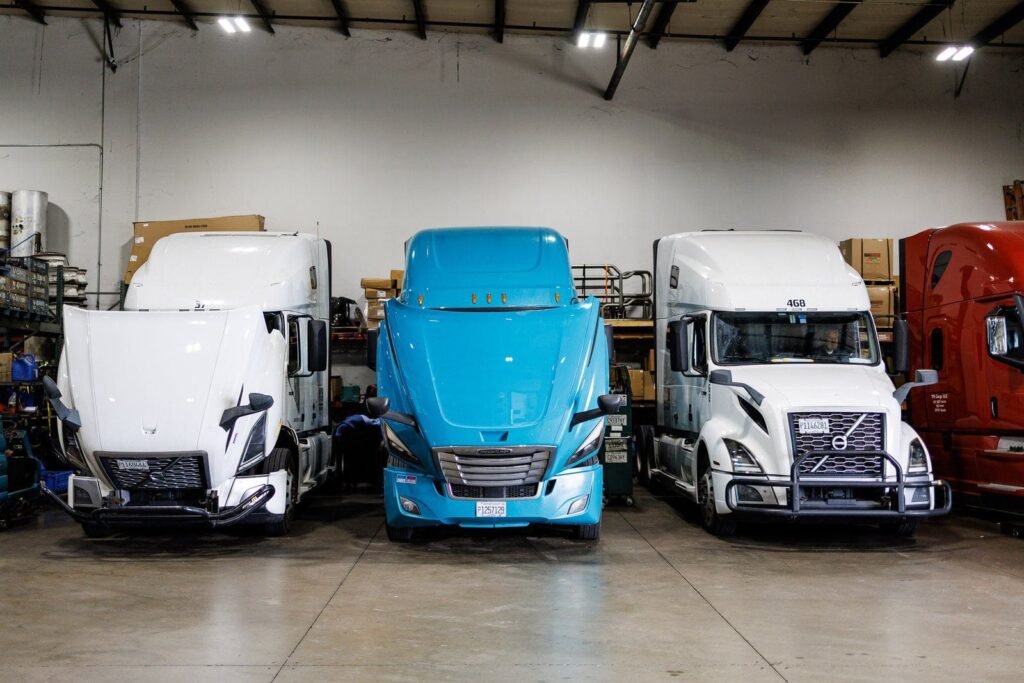
For many fleet owners, repairs only become a priority when something breaks down. A truck won’t start, a warning light flashes on the dashboard, or a driver is stuck waiting on the shoulder of the road—and suddenly the entire day is thrown off course. This reactive cycle is common, but it’s also one of the biggest reasons fleets struggle with higher costs, lost time, and constant stress. When repairs are handled only after something goes wrong, it’s hard to stay ahead.
A preventive mindset changes how commercial fleet repair fits into daily operations. Instead of treating repairs as emergencies, fleets plan for them. Routine inspections and scheduled servicing help catch wear and tear early, when fixes are simpler and less disruptive. It also means you’re not scrambling to search for a fleet truck service near me while a delivery schedule is already falling apart.
Shifting From Reactive to Proactive Fleet Care
Emergency fleet truck repair often comes with rushed decisions, limited shop availability, and higher costs. Preventive planning gives fleets breathing room. By staying consistent with fleet truck maintenance, repairs can be scheduled during downtime instead of peak business hours. Small issues get handled before they turn into major breakdowns, keeping trucks reliable and drivers confident.
Over time, this proactive approach leads to more predictable expenses and fewer surprises. It also opens the door to more affordable truck repair, since planned maintenance is almost always cheaper than last-minute fixes. Fleets that adopt a preventive mindset aren’t just repairing vehicles—they’re protecting their schedules, their reputation, and their bottom line.
The True Cost of Reactive Fleet Truck Repair

At first glance, waiting until something breaks can feel like the cheaper option. After all, why pay for maintenance if the truck is still running? The problem is that reactive repairs rarely stay small or inexpensive. What starts as a minor issue can quickly snowball into a major breakdown, forcing fleets into unplanned downtime and rushed decisions that drive costs up fast.
How Emergency Repairs Drain Time and Money
When a truck breaks down unexpectedly, the repair bill is only part of the cost. Towing fees, expedited labor, and premium parts add up quickly. On top of that, the vehicle is off the road longer, drivers are left waiting, and deliveries are delayed or canceled. In these moments, searching for a fleet truck service near me becomes a race against the clock, and fleets often have to settle for the first available option rather than the right one.
Reactive fleet truck repair also creates a cycle of repeat problems. Temporary fixes may get a truck moving again, but they don’t always address the root cause. Over time, those unresolved issues lead to more frequent breakdowns and higher repair bills. This approach makes it difficult to predict costs or maintain a reliable schedule, especially as the fleet grows.
Why Commercial Fleet Repair Gets More Expensive Over Time
Without consistent fleet truck maintenance, wear and tear goes unnoticed until parts fail completely. Engines work harder, components wear unevenly, and minor problems turn into major repairs. This shortens the lifespan of vehicles and increases the total cost of ownership. What could have been handled through planned, affordable truck repair becomes a costly emergency instead.
By relying on reactive fixes, fleets end up paying more, losing time, and dealing with constant disruption. That’s why a smarter approach to commercial fleet repair starts with understanding the real cost of waiting too long to act.
What Preventive Planning Really Means in Fleet Truck Maintenance
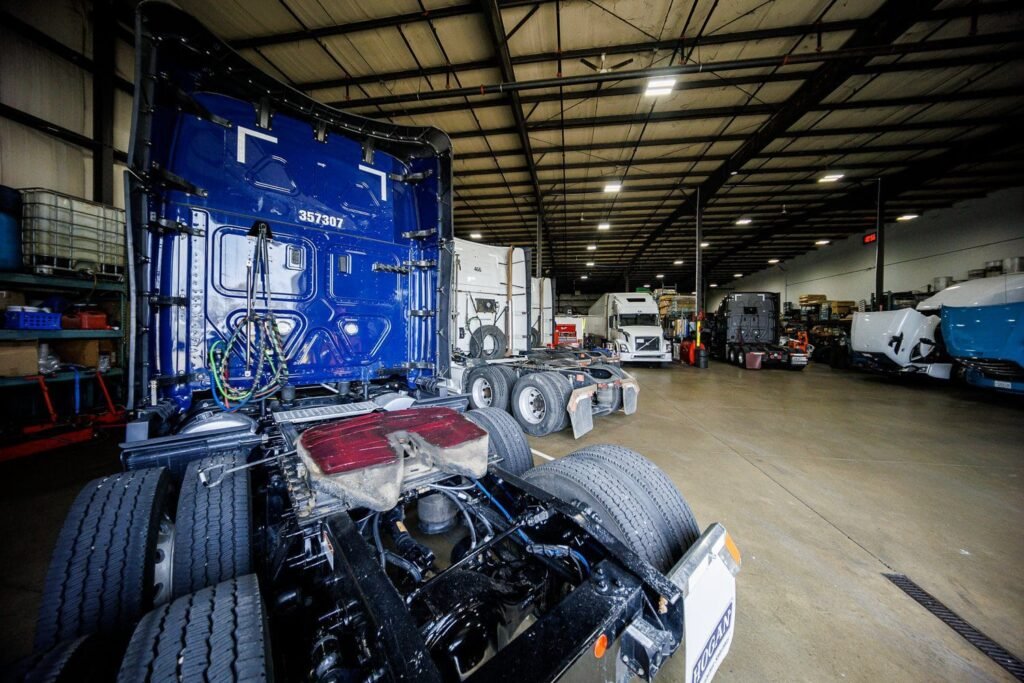
Preventive planning is often misunderstood as “extra maintenance” or unnecessary spending. In reality, it’s about being intentional with how and when trucks are serviced. Instead of waiting for warning lights or breakdowns, fleets follow a clear schedule that keeps vehicles operating efficiently and safely. When done right, this approach makes commercial fleet repair more predictable and far less disruptive.
Turning Maintenance Into a Routine, Not a Reaction
At the core of preventive planning is consistency. Regular inspections, fluid checks, brake evaluations, and component monitoring help spot early signs of wear before they escalate. This doesn’t mean trucks are constantly in the shop. It means fleet truck maintenance is planned around mileage, usage, and operating conditions, so service happens at the right time instead of the worst possible moment.
This structure also helps repair shops diagnose issues faster. When a provider already knows a vehicle’s history, fleet truck repair becomes more accurate and efficient. Fleets aren’t explaining problems from scratch every visit, and technicians can focus on long-term performance instead of quick fixes.
Clearing Up Common Misconceptions About Preventive Care
One common belief is that newer trucks don’t need preventive planning. While newer vehicles may break down less often, they still experience wear—especially in demanding, high-mileage operations. Skipping routine care can void warranties and lead to expensive repairs later on.
Another misconception is that preventive maintenance costs more. In practice, it often leads to more affordable truck repair by spreading costs evenly and avoiding emergency pricing. Fleets that plan ahead aren’t scrambling to find a fleet truck service near me under pressure. Instead, they work with trusted partners and maintain control over both timing and budget.
Preventive planning isn’t about doing more—it’s about doing things smarter and keeping fleets moving without unnecessary surprises.
How Preventive Commercial Fleet Repair Saves Time
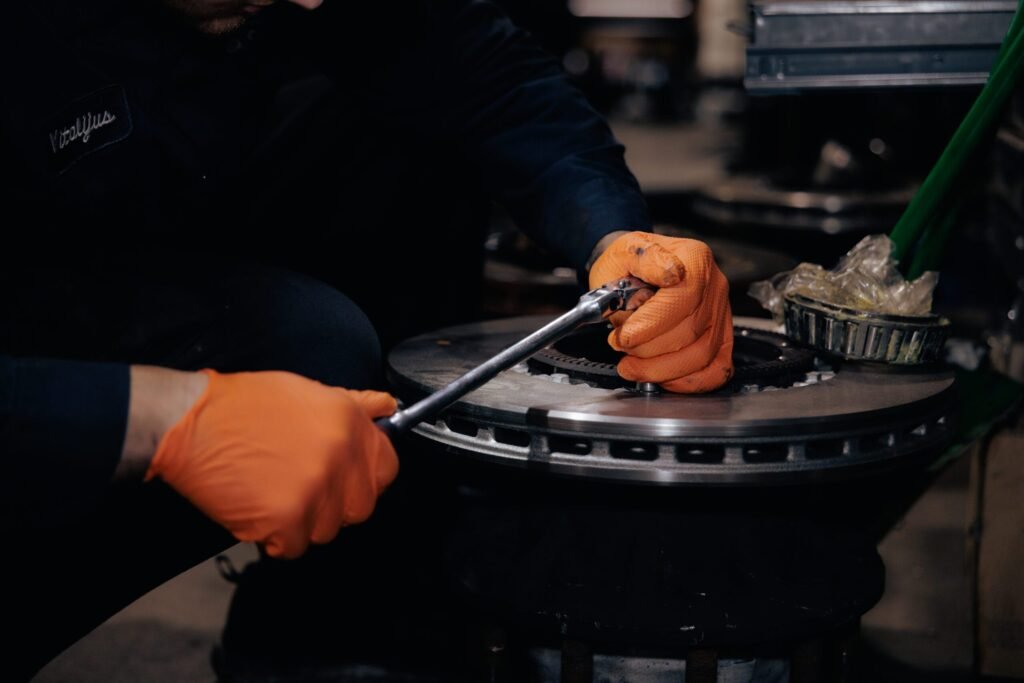
Time is one of the most valuable resources in any fleet operation, and unexpected repairs are one of the fastest ways to lose it. Every hour a truck sits idle affects schedules, driver productivity, and customer expectations. Preventive planning helps fleets take control of their time instead of constantly reacting to disruptions.
Fewer Breakdowns, More Predictable Schedules
When commercial fleet repair is built around preventive planning, trucks spend more time on the road and less time in the shop. Routine fleet truck maintenance catches small issues early, allowing them to be addressed before they turn into full breakdowns. This reduces the number of emergency calls and keeps daily operations running as planned.
Preventive servicing also allows repairs to be scheduled during slower periods. Instead of pulling a truck off a route unexpectedly, fleets can plan service around delivery cycles and driver availability. This flexibility keeps workflows smooth and reduces the stress that comes with last-minute changes.
Faster Repairs With the Right Support in Place
Having a preventive plan often means working consistently with the same repair provider. Over time, this familiarity leads to quicker diagnostics and more efficient fleet truck repair. Technicians already understand the vehicle’s history, common issues, and maintenance patterns, which shortens repair times and limits guesswork.
It also eliminates the need to scramble for a fleet truck service near me when a breakdown happens. Fleets that plan ahead know exactly where to go and what to expect. This reliability translates into fewer delays and stronger relationships with drivers and customers.
By minimizing downtime and keeping schedules predictable, preventive planning turns commercial fleet repair into a time-saving strategy. Fleets gain back hours, reduce operational friction, and stay focused on moving goods—not managing emergencies.
Also Read: Chicago Commercial Fleet Repair: Keep Your Business Moving
How Preventive Planning Saves Money Without Sacrificing Quality

One of the biggest concerns fleet owners have about preventive planning is cost. On the surface, scheduling regular service can feel like an added expense. In reality, it’s one of the most effective ways to control spending without cutting corners on quality. When commercial fleet repair is planned instead of rushed, costs become predictable and easier to manage.
Lower Repair Bills Through Early Detection
Preventive fleet truck maintenance helps identify issues while they’re still small and inexpensive to fix. Replacing a worn part early costs far less than dealing with a full component failure later. Over time, these early fixes add up to significant savings and help extend the life of each vehicle.
Predictable Budgets and Affordable Repairs
Emergency fleet truck repair often comes with premium pricing due to urgency, labor availability, and parts sourcing. Preventive planning avoids these surprises by spreading maintenance costs evenly throughout the year. Fleets can budget with confidence instead of reacting to sudden repair bills.
This approach also leads to more affordable truck repair overall. When maintenance is scheduled, fleets have more flexibility to compare options and work with trusted providers rather than settling for the nearest fleet truck service near me under pressure. In the long run, preventive planning protects both vehicle performance and the bottom line.
Planning Ahead Is the Smartest Repair Strategy
When it comes down to it, the most successful fleets aren’t the ones that react fastest to breakdowns—they’re the ones that prevent them from happening in the first place. Throughout this guide, we’ve seen how a preventive approach to commercial fleet repair helps reduce downtime, control costs, and keep operations running smoothly. By staying consistent with fleet truck maintenance, fleets avoid the stress of unexpected repairs and gain more predictability in their day-to-day schedules.
Preventive planning saves time by minimizing breakdowns and making repairs easier to schedule. It saves money by catching small issues early and avoiding costly emergency fleet truck repair. Just as importantly, it creates flexibility, allowing fleet managers to work with trusted providers instead of scrambling to find a fleet truck service near me when something goes wrong. Over time, this approach leads to more affordable truck repair and longer-lasting vehicles.
If your fleet is still relying on last-minute fixes, now is the perfect time to rethink that strategy. Take a closer look at your maintenance schedule, evaluate your repair partnerships, and explore preventive options that fit your operation. A smarter repair plan doesn’t just fix problems—it helps your fleet move forward with confidence.